-

Authentication of Students in Online Courses
Overview The purpose of this article is to guide the University community as faculty seek methods of verifying student identity in distance learning and online courses. These guidelines were designed to meet NECHE accreditation standard 4.48 and federal requirements under Sec. 602.17(g)of the Higher Education Act of 1965. Additionally, these guidelines are designed to meet Department of Homeland Security requirements for international students in online and remote learning environments.
-

Competencies for Online and Hybrid/Blended Instruction
Overview What skills does an instructor need to succeed with an online or hybrid course? The UConn Competencies for Online and Hybrid/Blended Instruction survey includes 27 competencies to inform and facilitate self-assessment. The second edition takes into account developments in higher education since the COVID pandemic.
-

Creating and Managing Videos for Online Teaching an Learning
Overview Videos are gaining ground in online education as a result of their versatility in promoting learning, satisfaction, engagement, and interest (LSEI; Costley & Lange, 2017). With this fast-growing dependence on videos, online educators need to become mindful of what constitutes quality videos and how they are best integrated into online content delivery and interaction.
-

eCampus Accessibility Checklist and Guide
Overview This post provides a guide to implementing the eCampus Accessibility Checklist, including disabilities and common barriers, accessibility frameworks, rationale for accessibility standards, and resources for implementation.
-

Managing Your Online Course
Overview The Course Facilitation Plan (CFP) outlines the key steps to take before, during, and after your course implementation, presented in the recurring course life-cycle, as well as recognizing the four roles of an online instructor. Download a copy of the file to create your own customized version.
-
Online Proctoring with ProctorU
Overview ProctorU is a service used to authenticate a user’s identity and provide live proctoring of online assessments. Test-takers use ProctorU’s Guardian Browser, which enhances exam security by preventing the user from accessing unauthorized resources and functions on their computer. ProctorU uses a multi-step process to establish a user’s identity: a live proctor sees the user via a webcam, takes the user’s photo, and checks the user’s ID. In addition to the authentication process, proctors ensure the integrity of the exam by using a webcam and screen-sharing technology to see the user and what they are doing during the exam…
-

Performing a Quality Matters Self-Review
Overview As a subscribing Quality Matters (QM) institution, UConn encourages faculty to perform (at minimum) an “unofficial” QM Self-Review of their online and blended courses. This article details the steps for completing a QM “unofficial” Self-Review and where to seek further information and assistance.
-

Proctoring Options for Online Exams
Overview Maintaining academic integrity in all UConn courses is important. Key concerns include: To help faculty administer online exams securely and effectively, UConn provides several proctoring solutions varying in level of monitoring, automation, reporting, integration, and recommended use case.
-

Re-offering Your Online Course
Overview This article reviews the steps needed to re-offer a previously taught online course, including obtaining, restoring, and resetting the HuskyCT/Blackboard course site.
-
Writing Learning Objectives
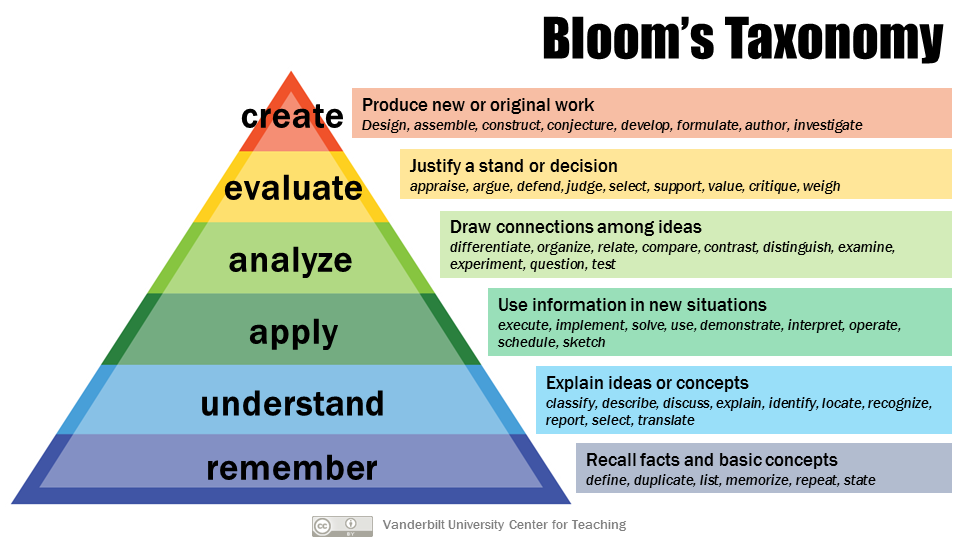
Overview Objectives explain the destination of the learning experience to students. When written well and aligned with other course elements, objectives help students make cognitive connections between materials, learning activities and assessments. This alignment increases the possibility of learning success and enables both the students and the instructor to stay focused and monitor learning.